Sunday, March 8, 2020

Remote/Online/E-Learning and Hands -Off Dances

Social Media, Icon, Structure, Networks
There are many reasons schools may choose to close to on-site learning and move to remote learning. In times of flu or illness running rampant through our petri dishes, um ... schools we need to be careful about hand holding, instrument sharing, and taking care of our physical health. At present, COVID - 19 is spreading around the world. 

Friends teaching overseas have already been teaching online for months as their schools closed in January.  Some school systems around the US are closed and others making preparations and plans for possible closings. Teachers are being asked to create lessons students can access from home to continue learning.  School, Board, Music, Blackboard
This list is just a quick overview of some possibilities - many more exist and it has been amazing to see the camaraderie of music teachers joining together to help one another continue our students music education. Please add to the conversation - read on and you will see there are many places and spaces for you to join, ask questions, and find answers. If you are not on facebook and cannot access the groups, leave a comment here and I will post your question/comment on fb.  Stay healthy, everyone!

Some of us will stay teaching in our schools and the rules and restrictions around contact, sharing instruments, etc. will be important to consider, particularly in our classrooms where so much of what we do is movement related.

Hands Off Dances/Movement

Click this link for a playlist of many no-touch dances. Please let me know what others you have and I will add them to the playlist. As of right now there are 35 videos. 

For others, we will move to remote/online/e-learning formats where our students will be home and we will be using a platform to teach from. Our school uses Powerschool, and if we go to a remote format, we will direct students and parents to Powerschool and to our existing pages where we can record videos, add documents, and add links to Seesaw, youtube, etc.
Some teachers will use existing subscriptions (such as Musicplayonline.com, Seesaw, etc.) and others will be able to access some new ones - check out this googledoc of Education Companies Offering Free Subscriptions Due To School Closings.


Remote/Online/E-Learning

So, how to teach elementary music online?  


  • First look at what is already done you might be able to use.  

Google doc with  FREE General Music Distance Learning Resources & Activities

Short, Sweet, Specific
This is the message from many teacher friends overseas who have been remote/online/E-Learning for months. Will students receive lessons in an email or online platform your school uses, will you need paper/pencil activities or online activities? Lots of things to think about here:
Resources for Teaching Online (Not Music Education Specific)


Facebook Groups - Ask Questions, Get Answers, Info, Comments


Ways to Create Lessons with "Active" Teaching (Students See Your Face)

  • Video yourself teaching a lesson, upload to:

YouTube (free) Playlist of  Ted-Ed Music for students here.
Vimeo (free)
Seesaw, (also ready made lessons by music teachers) 
Google Classroom (free)
Edpuzzle "Make Any Video Your Lesson" (free)
Flipgrid (free) article here on 20 Ways to Use Flipgrid in Music Education


  • Create screen recordings - "how to" activities and websites. 
Screencast-o-matic, free
Tutorial:


Screencastify free up to 5 minutes of video, Chrome Extension (Use chrome web browser) 
Tutorial:


Other Sites to Look At/Make Plans/Activities/Lessons:


Tutorial for Elementary Aged Students:


Sample Lessons or Lessons YOU Can Use

  • Online Lesson using Children's Literature

My friend, Kathy, teaches at Seisen International School in Tokyo and while her school has been out she has continued the learning. She happily shares a very successful lesson we can model using A House for Hermit Crab by Eric Carle.
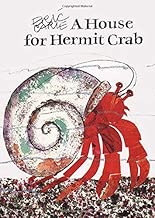
 A House for Hermit Crab - 3.9 x 0.3 x 5.5 inches 
Her school uses Seesaw but anyone can see this. I love how everything is included right in the Seesaw app!  This could also be done as a youtube or vimeo video with a link to materials in a google doc. 

The New Victory Theater in NYC 

This amazing theater has canceled it's amazing line up of shows, but is bringing lessons for ages 6-12 direct to us at home. The first week (March 16-20) is Percussion Week complete with Body Percussion, stepping, and a bucket or two! Their videos are very kid-friendly:


Teaching Music Digital Learning

Looking for something by grade levels to see what someone else does? Check out this great resource by David Row of Make Moments Matter. 

Music Teacher youtube Videos

Laura and Daniel are music teachers in Hong Kong and are experts now at remote learning. They have a HUGE selection of videos to choose from and they are so clever!  They deliver content through the home learning section of their music blog
 Here are two of their videos.:

Brahms Storm


Loose Tooth Music Note Reading


Mariana teaches in Tokyo, here is a link to her many videos.  Here are a couple of her wonderful videos:

Grade 1 Lesson 5:  Rhythm and Movement


Grade 4 Recorder Lullaby


Krista teaches in Hong Kong and she has several videos students can watch and write a response to - here are a couple:

Instrument Game Show - Do You Know Your Instrument Sounds? 


Singing with Solfege -"Hey, Hey! Look at Me!" (Mi-So Edition)


Other Possibilities 

Che Che Koolay - folk song (traditional) from Ghana

Students learn the song and then can play along with various parts - this would need short directions such as, "Find something at home that makes a shaking sound and play the shaker part when you see the four ta (quarter)notes." Or, "Find two pencils or wooden spoons to try playing the rhythm stick part when you see the rhythm rest titi rest ta."
Have students make connections to Ghana in this short video - chocolate, gold, and poisonous snakes - COOL!! Start the video at 1:00 (advertising before that).

Can Music Bring Joy When Times are Tough? Watch, Listen, and Respond

Check out this googledoc of a sample watch/listen/respond using google forms. Easy to recreate and so perfect for upper elementary to help them deal with the uncomfortable emotions surrounding the Coronavirus Pandemic.

Let's Dance

Play along using a fitball (students could use a pillow on a chair and wooden spoons or chopsticks instead of drum sticks)


Hello Echo Rhythm Song


More from Kathy in Tokyo

Jump, Jump, Everyone:


Kye Kye Kule Movement and Song:


What other ideas do you have?  Please join the conversation and let's all help each other continue to make music with our kiddos.

Thursday, February 27, 2020

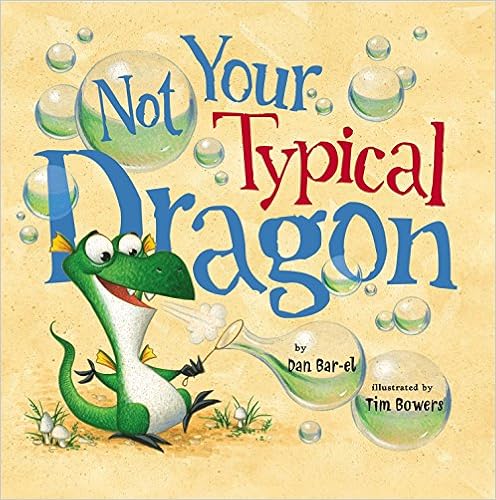
Not Your Typical Dragon

My daughter loves dragons and has ever since she was a wee little thing - first it was dinosaurs, then she "graduated" to dragons and has stayed there ever since. She is a pretty amazing artist and you can probably guess her favorite subject!  These are some of her drawings, both digital and traditional. She is 12, by the way.

When I found this book I knew I was going to have to do something with it- the theme of not fitting in and being like everyone else resonated. My daughter is Chinese- born in China and adopted by us. I am a musician in a family of dairy farmers and we are both artists. My daughters love for dinosaurs and dragons also resonated with being "different" and we heard from many people how "unique" she was as these are stereotypically considered male dominated subjects. Well, I have a sweet girl who loves them and so do I! Enjoy the lesson!


Wednesday, February 19, 2020

Black History Month


Black History Month, Banner, Purple
Stories
Each person has their own history and life is not a single narrative. We are a collection of people living in multiple environments with multiple identifiers.  I am a White female, she/her, a mom, daughter, sister; I am a musician, teacher, artist, author, blogger, and crafter; I am also the mother of a child who was adopted from China so our family is Chinese American; I am a singer, actor, dancer, and jewelry maker. I was raised in Maine but live in the South and love to travel. There is no single story to me, no single story to you and no single story of the human experience.
Please watch "The Danger of a Single Story":


Recently there was a lengthy discussion on Facebook about White teachers using spirituals in the music classroom. Though there were many perspectives, it is important to remember that each of us teach from a place of our own stories; positive, negative, and somewhere in between. It is important to remember during Black History Month that it is a time to pause, remember, and celebrate the music of Black and African Americans. That is not a single story of spirituals and Civil Rights music, but so much more. 


Today we have a guest blogger.  We are going to learn from the amazing Franklin J. Willis.
Mr. Franklin J. Willis currently serves as the Elementary Music Coach for the Metro Nashville Public Schools district. For the past decade Willis has taught both general music and choir at the elementary and middle school levels. He is a three-time recipient of the prestigious Country Music Association Foundation Music Teacher of Excellence award. He specializes in providing musical instruction that will empower and engage all students and teachers to achieve their best through authentic culturally relevant learning experiences. Click on Franklin's picture below to learn more about Franklin and his advocacy for music education.  


Aimee: Hi Franklin, thank you very much for taking the time to answer some questions from your perspective.  The focus for many music teachers during Black History Month seems to be on slavery and the Civil Rights Movement.  What do you feel is important for everyone to understand about Black History Month?

Franklin: First, I think it is very important for students and teachers to understand the history of why we celebrate Black History Month. Mr. Carter G. Woodson [was] considered the Dean of African American History [who] worked tirelessly to educate the public about the achievements of African Americans. His life was dedicated to sharing the history of African Americans. I recently learned about a fabulous resource by two veteran Social Studies teachers, Lanesha Tabb and Naomi O’Brien that provides context on how Black History Month was formed and why we celebrate it. Download this free resource by clicking this link


Now that we have an understanding of what Black History Month is and why we celebrate it every year let’s discuss how we can celebrate the accomplishments of African Americans in the music classroom. African American music is diverse and has birthed musical genres throughout history. If a music teacher wishes to focus on our sacred slave songs, which we call spirituals I believe that it is fine. However, please give the spiritual the same respect and study as we would give a classical piece of music with our students. Give students the opportunity to ask questions about the music. Provide historical context for them to understand how the spiritual was created. Offer students an example of the evolution of the spiritual, like “Mary Don’t You Weep” by Take 6: 
Including all of this information is very important because it just doesn’t focus on the pain of the spiritual. However, it shows through a horrific time in our history these songs were created, and this is how they have changed over time. Spirituals are just as varied as African American music itself. There are songs of sorrow, songs of joy, songs of despair, and songs of hope. Ensure that our students learn the depth and vastness of the spiritual.

Aimee: When done well, Black History Month should focus on ___________.

Franklin: Black History Month should educate students about the accomplishments and achievements of African Americans. There are many appropriate ways to celebrate Black History Month in the music classroom. Listed below are some of the themes I have used for my Black History Month Programs in the past.
·       The Evolution of the Spiritual
·       The Music of Motown
·       The Women of the Civil Rights Movement
·       The Music of the Harlem Renaissance
·       Lift Every Voice and Sing: Music of the Culture
·       Yo! What’s Up? The Story of Hip-Hop Music
·       Music of Africa: The Beat of the Drum
·       The Dream Lives On! The Words of Martin Luther King Jr.

In order to create these Black History Month programs, I started with the end in mind. Questions that I consider when planning a Black History Month Program are the following:
·       Why do I want to present a Black History Month program?
·       What did I want my students to learn?
·       What do I want the student body or community to learn from observing the BHM program?
·       How did I want students to experience this music?
·       What grade level did I want to feature?
·       What is my school ready for? (I could write a lot about this one!)
·       What classroom teachers would be willing to help me plan this program?
·       How will I inform students, teachers, administration, parents, and community members about this program?

The greatest question of all these is the first one. Why do you want to present a Black History Program? If it is to check off a list of things that you have done this year, please don’t do it. Take time to consider the importance of teaching the important history and contributions of African Americans. All students should learn about Black History Month. Black History is American History.

Aimee: Who would be your top 10 African American musicians for music teachers to focus on during Black History Month?

Franklin: My top 10 African American musicians, composers, or artists to teach to students would be the following: (These are not in a specific order.)
·       Scott Joplin
·       Nina Simone
·       Beyoncé
·       R. Nathaniel Dett
·       Stevie Wonder
·       Kirk Franklin
·       Marian Anderson
·       Margaret Bonds
·       Quincy Jones
·       Run DMC

Aimee: If you had 4-6 lessons to go deeper into celebrating the contributions of Black and African American musicians to teach about during February, who and what would you choose?

Franklin: If I had four to six lessons to dive deeper into a subject surrounding African American music it would be the subject of African American composers. Often times our students only learn about African American artists, however I think there is valuable information students and teachers can gain in the study of our Black composers. In my undergraduate Music History class, we studied several European composers and only studied one African American composer which was Duke Ellington. I did my own research and learned about many black composers before Duke Ellington who were trailblazers and virtuoso artists. Composers like Samuel Coleridge-Taylor, Scott Joplin, R. Nathaniel Dett, Harry T. Burleigh, Florence Price and many others who opened the doors for future African American composers and artists to be accepted for their talents. Listening to their music was empowering and it let me know as a student that just because we were not studying it in class, doesn’t mean it is not worthy of learning. Many teachers simply teach what’s in the curriculum and quite frankly learning about innovative African American composers is not on the list important things students should know in music education.

So, if I were digging deeper with students, I would do a historical overview of African American composers in classical music. Complete listening exercises that ask students to think and listen critically to the music. Compare and contrast the music of these composers with the more famous European composers to find similarities and differences. Finally, I would have students write a personal reflection of what they learned about the composers and to choose a favorite selection that we listened to as a class and tell me why.

Aimee: What kinds of activities make sense for our youngest students?

Franklin: Black History Month activities for our youngest of students could include story books, short melodic songs, and movement activities. Follow this link to get ideas about books to utilize during Black History Month. Stories allow students to read and visualize a character in a personalized unique way. Moreover, when students can identify and see themselves in the literature they are more engaged and learning is relevant. This lesson plan by Charissa Duncanson incorporates short rhythmic activities with the book Trombone Shorty by Troy Andrews. 
Trombone Shorty
 Also an easy way to get younger students involved with African American music is by having them keep the steady beat to the music. That is a major standard for our Kindergarten and 1st grade students. Can students keep a steady beat to R. Nathaniel Dett’s Piano Suite In the Bottoms: IV. Dance. Juba? Yes, THEY CAN!


Aimee: What are your favorite resources to pull from to ensure everyone feels included in the conversations in your music classroom?

Franklin: My favorite resource to use in the music classroom not only during Black History Month, but in general is Expressions of Freedom by Dr. Rene Boyer. This teacher resource does a wonderful job of connecting African American spirituals to the Orff music pedagogy. Every time I teach a song from this resource students absolutely love it!

Listed below are some great resources available from some African American music educators and composers specifically for the elementary music classroom.

Thank you so much for a rich conversation!


Monday, February 17, 2020

Chicken and Foxes Singing Game

I am so excited to debut some new singing games this November at the National AOSA conference with two sessions on clapping games and singing games! I just found out today that both of my proposals were accepted so I will be presenting again at National conference - which is thrilling and terrifying all at the same time!  I haven't done my Singing Games session at conference yet and can't wait to share some of my favorites with students!
One of my favorite games used to be Chicken on a Fencepost, AKA Can't Dance Josey. I use the past tense because I will no longer be using that song. Last fall a fellow music teacher friend in the Orff world discovered the original field recording contained racist lyrics "n... gonna die" and "n... on a woodpile.  The recording was on the Holy Names University Kodaly Center American Folk Song Database (which is an amazing resource).  I listened to it several times to be sure what I was hearing and what others said were matching up. The lyrics had been transcribed by an individual (their name was included) but the racist lyrics were omitted. I sent an email to Holy Names and heard back within 48 hours. They apologized and removed the song from their collection while they, like many of us, decide what to do with this kind of song literature. I can't unhear what I heard and have decided to no longer use the song in my classroom. BUT, my students LOVE the game! So I wrote a new song with completely different lyrics, melody, and kept the sixteenth note rhythms in the song as this was the song I used to introduce the concept of sixteenth notes. I wrote a couple versions - I personally have used Version 1 more than 2 and like it better but some teachers have liked Version 2. Use what you want and enjoy!


Update 2022.09.20
An amazing fellow instagrammer Sally shared this with me after teaching it to her students and we hope it is helpful for your students in teaching the game.  Many thanks, Sally! The full pdf is here!


Thursday, February 13, 2020

When the Beat Was Born, Hip Hop, Keith Haring, and FUNDRAISER for Australian Animals

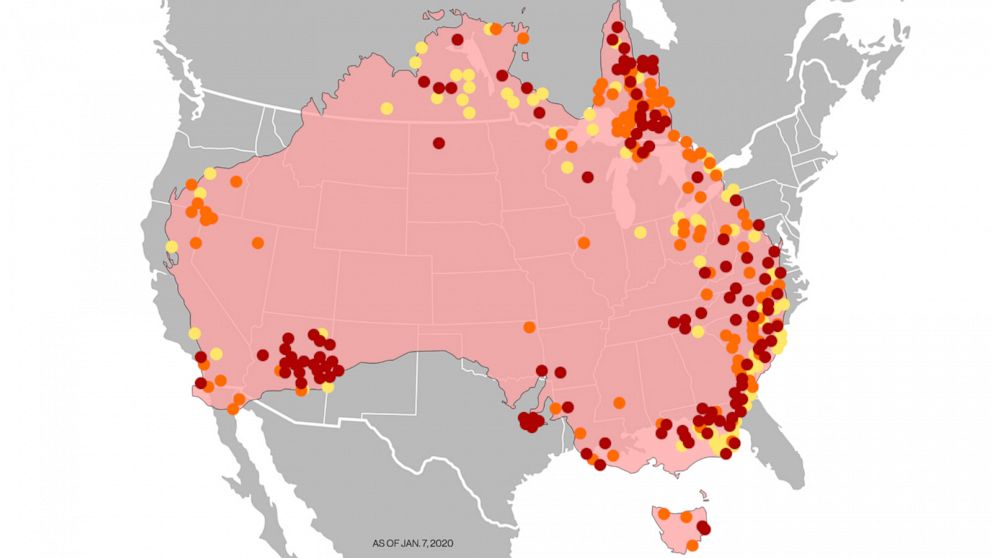
We all watched the wildfires in Australia and I don't know about you, but I have felt incredibly powerless. The people, landscape, and animals have been devastated.
In case you didn't see it, check out this visual of a map of Australia superimposed on the US and Southern Canada and this will give you an idea of the extent of the damage:


I am an animal lover  - grew up on our family dairy farm and considered becoming a vet.  My friend and fellow music teacher, Jody Petter and I wanted to do something that involved music and animals. We are starting a fundraiser and this one is the first of several to come!
Have you seen the book, "When the Beat Was Born, DJ Kool Herc and the Creation of Hip Hop? Click on the picture to see it on Amazon.

Here is a fabulous post by my friend, Elizabeth, from Organized Chaos, all about Bringing Hip-Hop to the Music Room.

The fundraiser part of this is as follows; you can win a hardcover copy of the book along with a lesson from my Painted Music book (pictured above). The lesson from Painted Music goes along with the story and uses the art of Keith Haring and breakdancing!  Bidding starts at $20.00 and I will match the final bid. All proceeds go to helping care for Australian animals injured or orphaned by the fires.  How to bid - go to facebook -@o for tuna orff, or on instagram -@Aimee_ofortunaorff and bid there!
Good luck!!


Tuesday, February 4, 2020

Black History Month

Black History Month.
Those three words have power, value, and emotion. Though the story of Black History Month began in 1915, it was not officially recognized until 1976 when President Gerald Ford officially recognized Black History Month, calling upon Americans to “seize the opportunity to honor the too-often neglected accomplishments of black Americans in every area of endeavor throughout our history.”  Want to read more? Check this out.


.Black History Month is a special "pause" in our year to reflect and celebrate the vast musical contributions of Black and/or African Americans, but it should not be the only time our students see themselves represented and reflected in the music we use in our classrooms.
Image result for image quotes black history month"

Things to Consider

  • Where is my focus?  Who and what am I celebrating and honoring? Personally, I do not want to be the white teacher telling a single narrative about Black and/or African Americans as slaves and that they are only worthy of celebrating when talking about slavery or the Civil Rights Movement.  How does this impact our students view of musicians and composers who are Black and/or African American? 
  • Sing, listen, and teach about music from a broad perspective; spirituals and Civil Rights songs are valuable, but they are not the only music to be celebrated and learned.
  • If we teach these songs we should keep our community and parents informed of our intention to teach about slavery.  I have known many music teachers who begin to go down this path and receive emails and phone calls from upset parents who have not discussed slavery with their child and now they are forced into a conversation they were unprepared to have.
  • For me, I want my students to celebrate, honor and learn about Duke Ellington, BB King, Billie Holiday, Scott Joplin, Ella Fitzgerald, Leontyne Price, and Miles Davis. I also want them to celebrate, honor, and learn about Jimi Hendrix, Stevie Wonder, Nina Simone, Queen Latifah, Tina Turner, Alicia Keys, John Legend, Denyce Graves, Black Violin, Rihanna, The String Queens, will.i.am, Ne-Yo, Rhiannon Giddens, and Ranky Tanky, (who just won a Grammy and are amazing - listen to this podcast and you'll see why I love them for elementary aged students).
  • Sister Rosetta Tharpe - do you know her name? I didn't until this past year. Learning about her was eye-opening and a bit shocking- how did I NOT know her name until now? She was a pioneer and laid the foundations for Rock 'n Roll. Read more about her here from NPR.

Here are some of the things my students and I will be using throughout the year, not only during the month of February.

Children's Literature

Rap a Tap Tap: Here's Bojangles - Think of That 
Change repetitive words to "Rap, Tap, Tap, Think of That". (3 quarter notes, 1 quarter rest, repeat same rhythm).
I use this with Kindergarten students after we first do some movement preparation to "Superstition" by Stevie Wonder.  
1. Read Book, encourage students to speak repetitive words, "Rap, tap, tap, think of that".

Rap a Tap Tap: Here's Bojangles - Think of That! (Coretta Scott King Illustrator Honor Books)
3.  Videos - Tap Dancing Group - I like this one - you will only watch until 1:20.


Next I show Savion Glover - this is such a cool commercial- just skip the end (commercial for a fridge). 


How to Tap- this is really good for my younger kiddos - very slow, sequential. We only watch to about 3:00 and we stand up and practice tapping.
4. Then I break out the Heart Chart and we go back to the book of Bojangles - the Heart Chart is amazing and many music teachers have them or something like them - it is the perfect way to  introduce quarter and eighth notes. Once we have explored, ""Rap, tap, tap, think of that" and learned how to clap it, etc. and have discovered quarter notes, we tap it on rhythm sticks.  That leads into eighth notes, and before we know it we are reading stick rhythms with quarter and eighth notes.

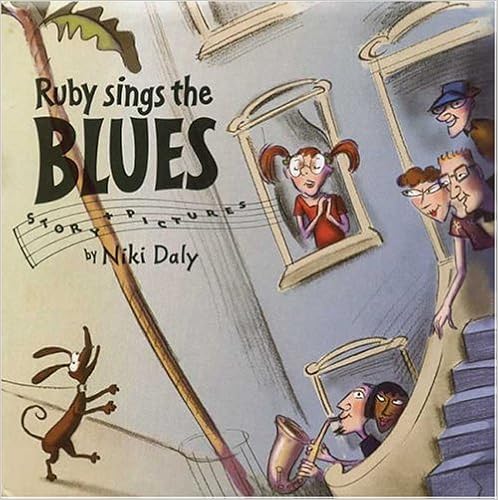
Ruby Sings the Blues 
I love the animated video here with jazz music in the background. It is really well done! 

Trombone Shorty
Trombone Shorty

Great lesson to go with this from my friend Charissa! Check it out here. 
Violet's Music 
Another great animated video by PBS!
Violet's Music


There are so many other books I use!  Here are several:


Songs to Celebrate and Sing 

Sources - 
Let's Slice the Ice - A Collection of Black Children's Ring Games and Chants by Eleanor Fulton and Pat Smith, available from West Music. 
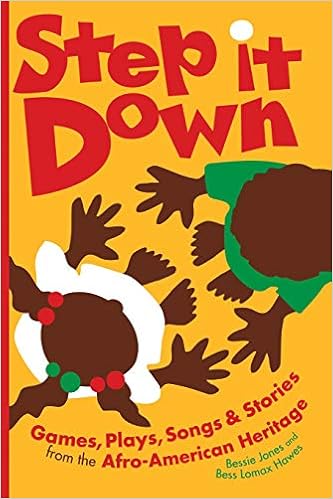
Step it Down: Games, Songs, Plays, and Stories from the Afro-American Heritage by Bessie Jones and Bess Lomax Hawes, available here from Amazon.

(not a complete list)
Head and Shoulders, Baby
Ranky Tank
Just from the Kitchen
I Got a Letter this Morning
Green Sally Up
Go In and Out the Window
Draw Me a Bucket of Water
Shoo Turkey
Little Sally Walker
Miss Mary Mack

Other Resources


Hope this was informative! More to come next week!