Showing posts with label orff arrangements. Show all posts

Friday, October 18, 2024

Creepy Carrots

I struggle with all the Halloween themed things I used to do and no longer include as I have students who do not celebrate Halloween. I love spooky season and incorporate spiders, monsters, and other "Halloween-adjacent" activities into this time of year but always with a curricular focus. And if I don't have it, I make it. My third graders learn recorder every year and this year's group is just a wee bit behind other years, for whatever reason. Wonderful singers, and wonderful musicians, just not picking up on recorder as quickly as some other groups. So, I needed a quick piece to put together and have always loved the book, Creepy Carrots! Get the full slide set, with the animated book, here (free!). I wrote this yesterday and did the activity with two classes, who walked out the door singing the tune- love when that happens! Easy, accessible, and diversified for students who need to work on EG or BAG passages, or they can play everything, BAGE! 


Enjoy!


Thursday, December 28, 2023

Esperanza Rising Guest Blog Post

 Crystal Briley is a wonderful friend who also happens to be a gifted music teacher.  Today she shares a lesson for upper elementary to go with the book, Esperanza Rising by Pam Munoz Ryan.


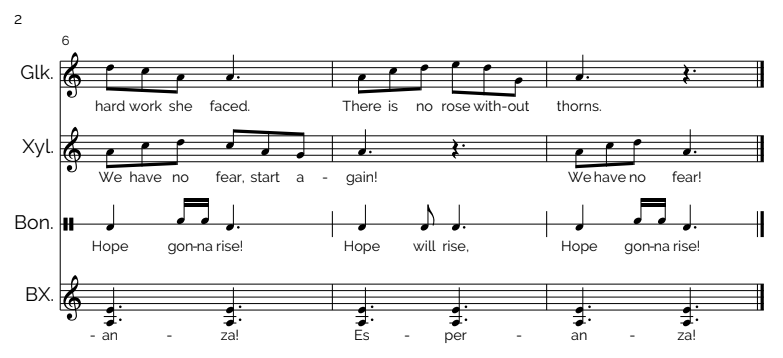
At my school in Charlotte, NC we value the motto “arts+academics=success.” We are firm believers that the arts enhance and can totally integrate with the core content. The main theme of the book is that “there is no rose without thorns.”  Over the course of the 9 weeks of study, students used that theme to build upon the following arrangement I wrote with the same title.
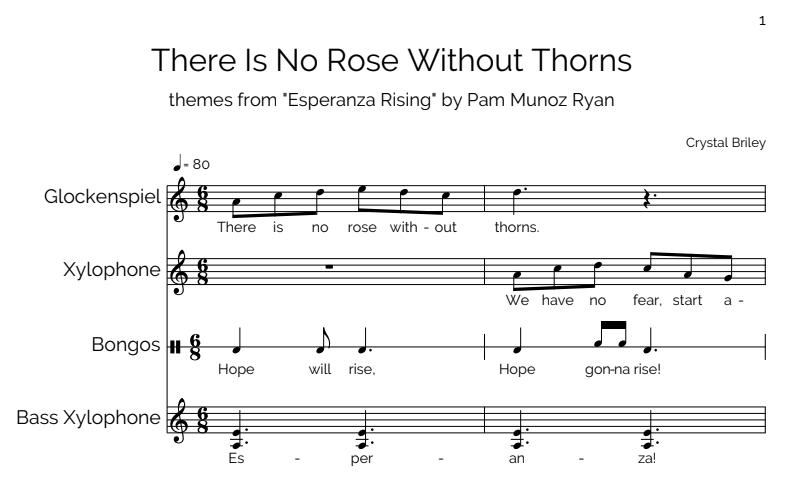
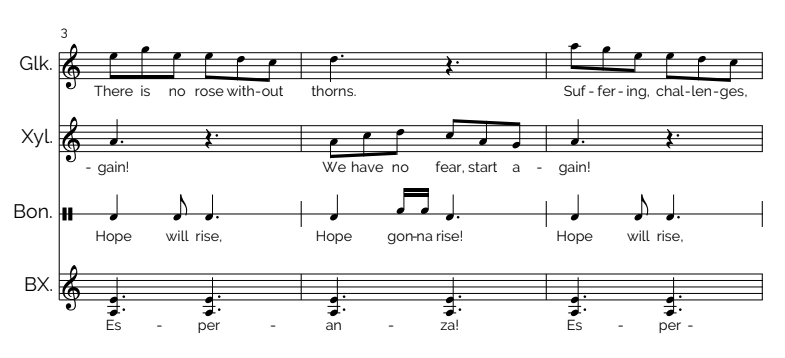
Because this piece is in 6/8 meter, I began with movement so that the students would be familiar with the pulse. Several ideas of movement that we explored were:

  1.  Mark time on the spot

    1. Walking in place

    2. Walking in place with clapping

    3. Walking in place with a hand drum

  2. Travel around the room

    1. Flowing movement with the teacher playing recorder / melody

    2. Rhythmic echo play

    3. Clapping freer rhythms

Gunild Keetman has many ideas for movement exploration in her book, “Elementaria.” We tried various exercises from her book to help make the 6/8 meter feel successful.


Upon success with the meter, I moved to the melody of the piece for the students.  We explored singing various patterns of solfege to get their ear in the la pentatonic scale.  Eventually, we landed on the solfege patterns of the melody itself.  Finally, we began exploring those patterns on the glockenspiel and other barred instruments.  I believe this melody would work well on recorder if your students are more proficient and need a challenge.  The only caveat would be needing to play a few of the notes up or down the octave because of the soprano recorder range.


With the additional parts in the arrangements, students created body percussion patterns to help them learn the rhythm patterns.  Here are some example ideas:

  • Bass Xylo part-- “Es- per- an- za!”   (Stomp L, R, L, R)

  • Bongos-- “Hope will rise! Hope gonna rise!”  (pat clap clap, pat clap clap snap)

  • SX / AX-- “We have no fear start again.” (pat pat pat pat, clap clap snap)

After figuring out the ostinatii of these patterns, we put them on the barred instruments and unpitched percussion by rote.


To tie in the literacy standards and writing from their core content, it was important to explore the content of the book itself.  Over the course of several weeks, we went through these steps to integrate the main idea and themes of the book in my classroom.

  • Review the main theme of the book: “There is no rose without thorns.”

  • Ask them to list the thorns (challenges) in Esperanza's (main character) life.

    1. Students should find at least three to four challenges that Esperanza must face and explain how she meets these challenges.

  • Finally, they should explain how meeting these challenges changes Esperanza for the better.

  • Have students write about the challenges they face in their own lives and how they meet these challenges. Guiding questions I used with students:

    1. What are the challenges we face in society?

    2. What is something that challenges you at home?

    3. What is a challenge you face at school?

    4. What can you say to someone who is facing a challenge?

    5. How are you meeting these challenges on a daily basis?

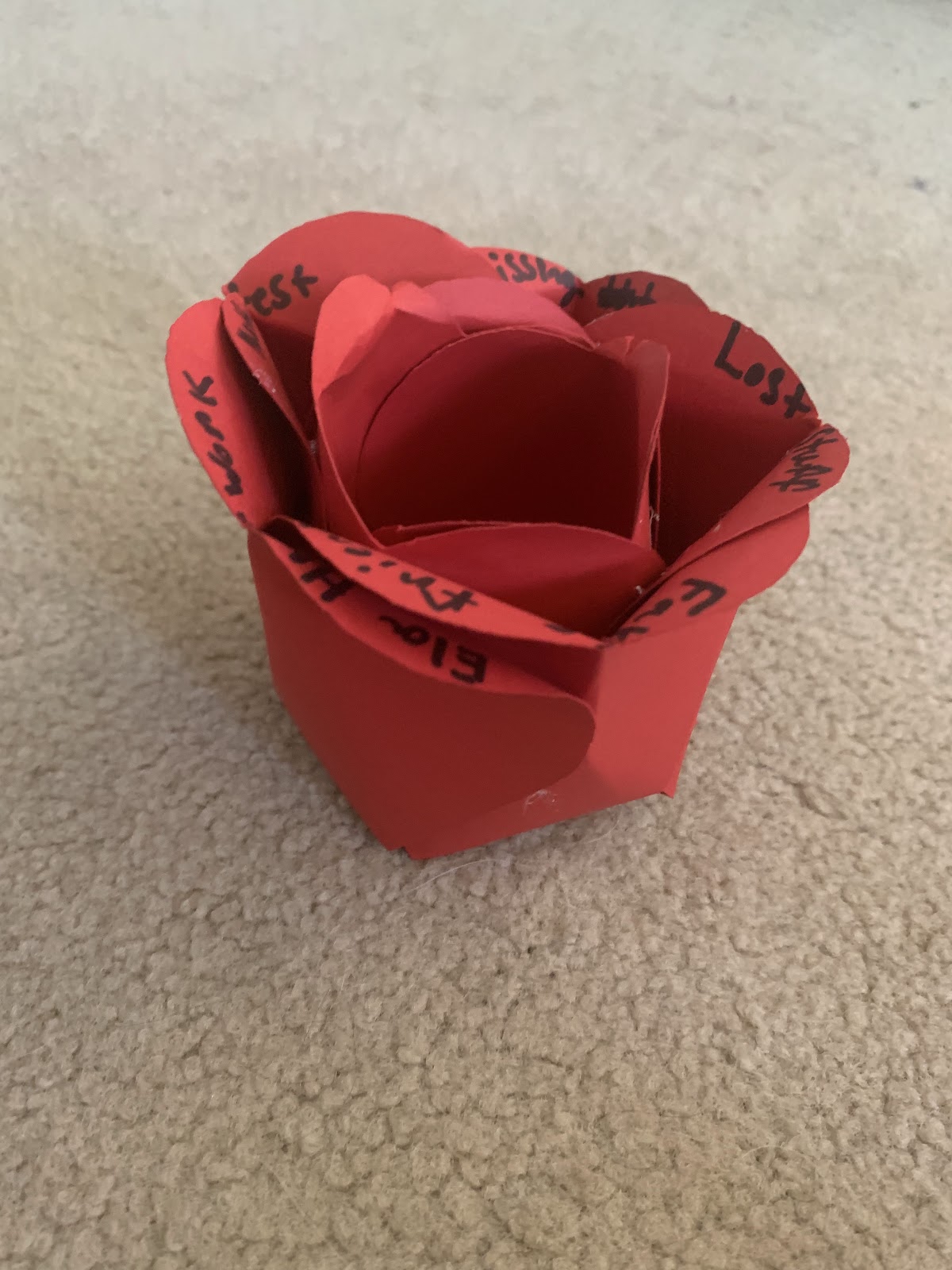
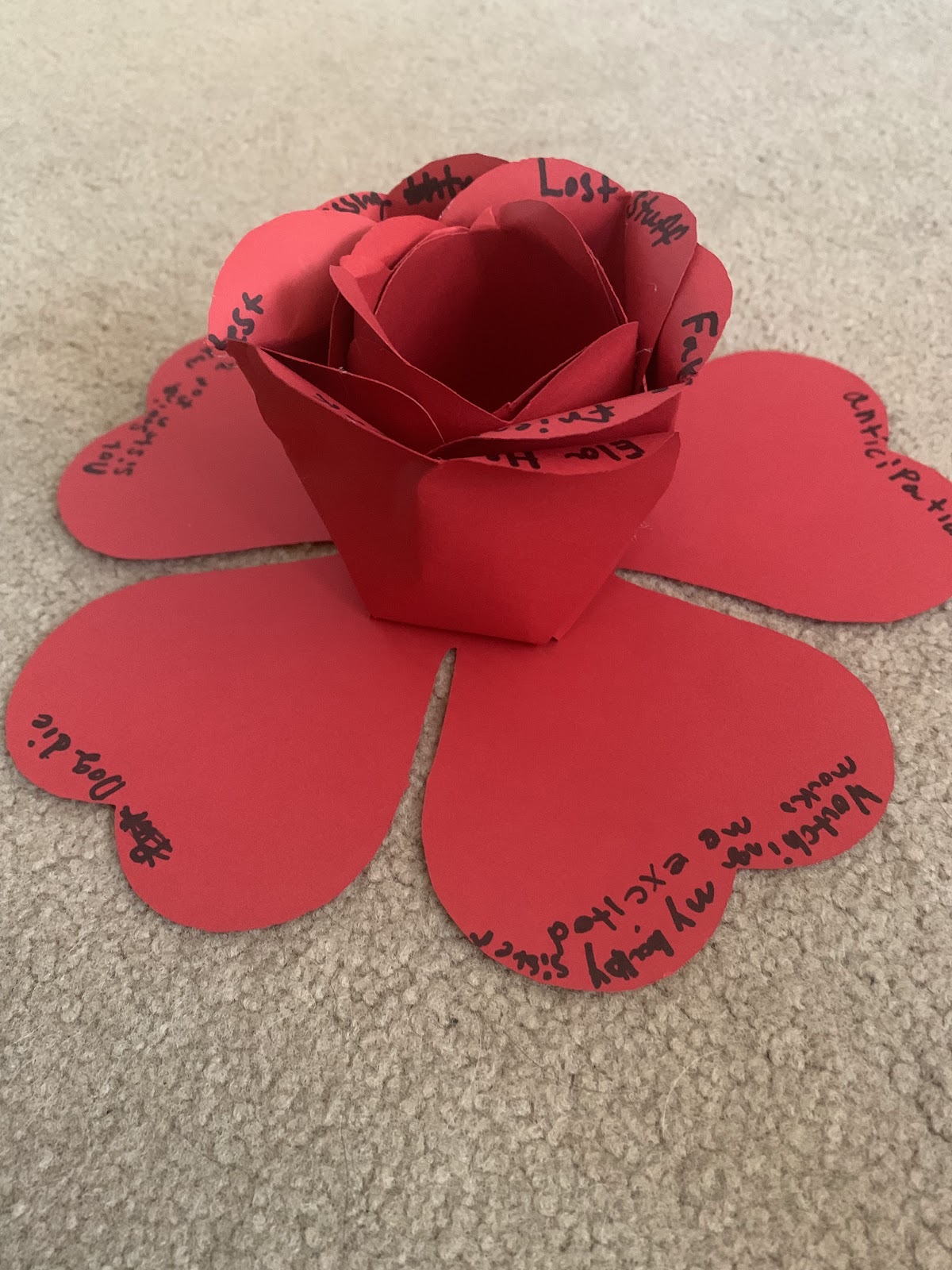
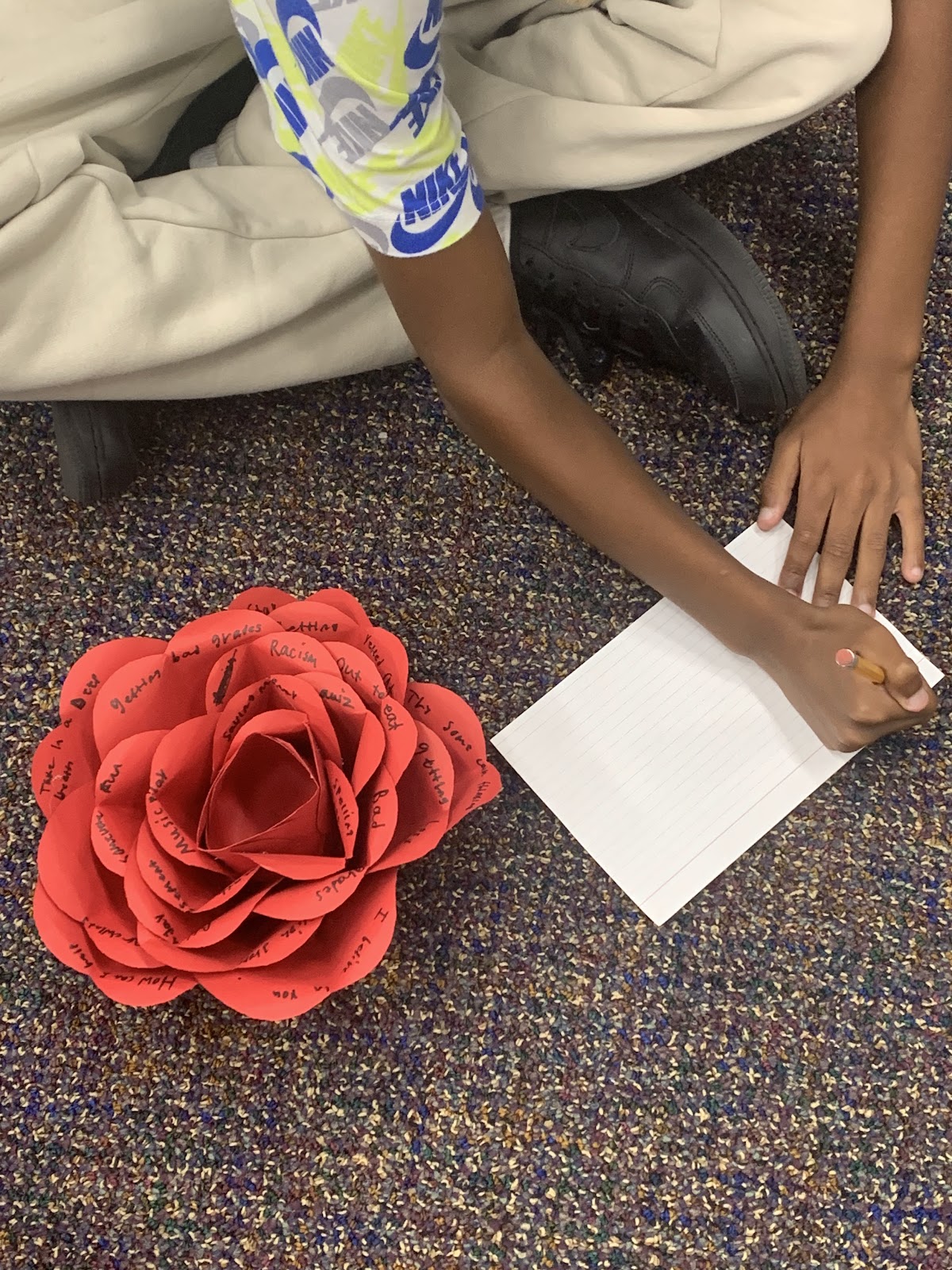
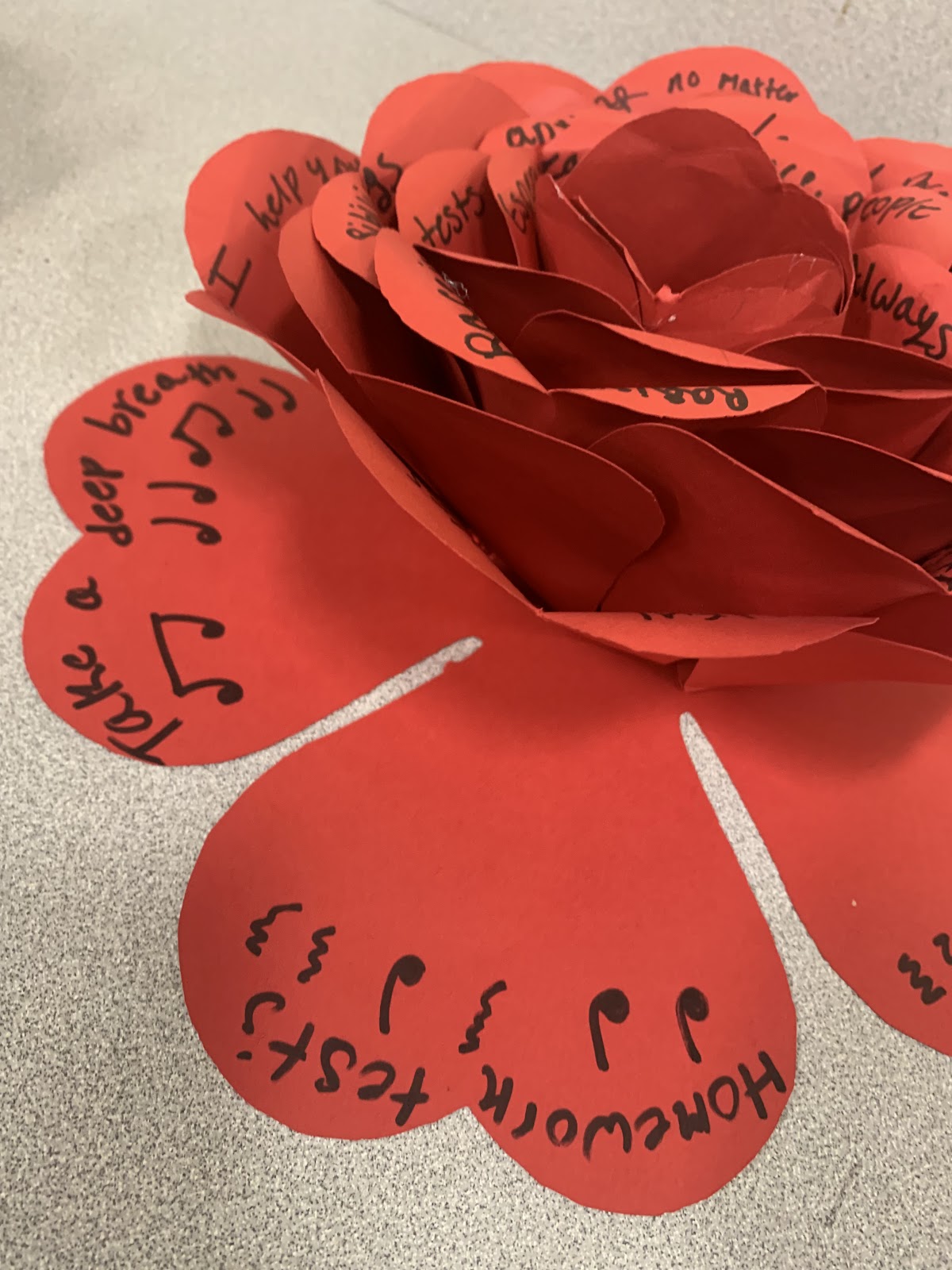
  • Have students create giant roses. 

    1. Using construction paper, cut out large red petals.  Template HERE.

    2. On each petal, have the students write down a challenge they wrote down previously.  

    3. Create three to four petals, then glue them into the shape of a rose. We spent more time on these and ended up with seven layers of petals.  


Using the challenges from the petal art, we spent time mining for rhythmic building blocks and /or ostinati These ostinati became the alternating sections of our Rondo Form for a final performance. Students created 8- beat phrases using elemental forms such as abab, abac, abba, etc.  

  • A speech ostinato.  

  • Add body percussion.

  • Add unpitched percussion.


The final performance order was decided by my students in order to vary the A section each time and create a flowing theme of their “challenges.” Invite your students to create their own ideas.

A Song – Sing melody

A Song – Xylos melody

A Song – Singing Part 1 & 2

A Song – Playing ALL Parts

Song – Everything


Performance Video

https://drive.google.com/file/d/1bjjN3vonSnH4Ee7V6mBJcn34EisXxDoj/view?usp=share_link 


One idea my students had was to go back to the movement exploration and incorporate the rose petal art as props into their movement.  I expect this will be a beautiful addition to their in person performance for their families.  


My goal has been to motivate upper school students with lessons and ideas that keep their interest.  We are on our way to this as we integrate the core content in my room.  The ultimate goal will be to bring their own musical interests in our classroom and continue this pattern of success!  If you are interested in integrating core content with your lessons, all it takes is an intentional conversation with your grade level classroom teachers to make a plan of attack! Please don’t hesitate to reach out to me as well– arts integration is a passion of mine and I’m always willing to flesh out ideas with you!


Bio:  Crystal Briley, a National Board Certified Teacher, received a bachelor of music from Samford University, Birmingham, AL and a master of music from Chicago College of Performing Arts at Roosevelt University, Chicago, IL.  She is the Kindergarten through Grade 5 general music teacher at University Park Creative Arts Elementary School in Charlotte, NC, and is the Charlotte Symphony Orchestra teaching artist for the Link Up with Carnegie Hall program.  Crystal has completed AOSA Teacher education levels I - III, The Elemental Style: Composing and Arranging, and Developing an Orff Schulwerk Curriculum.  She is an active member and the past president of the Piedmont North Carolina Chapter of AOSA.

Saturday, October 15, 2022

The House Around the Corner

 I am always looking for songs that help my recorder students with specific areas - and often end up writing my own pieces to fit their needs. Since switching the starting pitches from BAG to GE I have been delighted that beginning with G and E opens up so much bitonic and tritonic (SM and SLM) songs and once we add low D we have access to some wonderful pentatonic material!  

We are working on some pre-improvisational ideas and so The House Around the Corner was born this week!  My students needed more practice with low E, and they were clamoring for something scary and spooky.  This song can go in various directions - spooky or with a more autumnal/wintry theme. 

I sang this song to them while playing the accompaniment.


Then I displayed these four 4-beat rhythm cards.


As we have been working on something we call the Wizard's Challenge using In the Hall of the Mountain King, I tell the students this rhythm might be familiar. Then I sing it using the word "dude" (which is what we "whisper" when playing recorder) and their little minds are blown that this is the rhythm of the melody repeated over and over.  Then we play the first card (top left) only using "E". Then play through each subsequent card using "E."  Play the top two cards, then the bottom two, then the full 16-beat phrase. 
I change the bordun to quarter notes  E B C B, which sounds very spooky, and we play the full phrase using E. 
Next, change the quarter notes to G. Play full phrase.
Finally, change the 3rd card (four 8th note pairs) to B and have students work on the transition from third card to final card (transitioning from B to E) and then we play the full phrase.
Perform as A (song), B (recorder melody), A again. Students could also play the melody as it is a simple La Do Re Mi song. If you have Carol King's Recorder Routes you could combine this with Who Has Seen the Wind, another LDRM song. 

The students loved it and felt so successful! The next time we will work on improvising beats 2 and 4 of   the third measure and will add zombie movement (as they requested), whistling tubes, flexatone, black scarves, and spring drums. They also want to add gongs, cymbals, and other things so it is sure to be a piece we will record to send home to families. 
Enjoy!


Friday, October 8, 2021

Musical Monster Fun!

 I enjoy the costumes, trick or treating, and the silly, playful fun of Halloween. I have leaned more towards monsters in the past several years as they aren't really Halloween and can be use any time of year. 

On my Patreon site there are SEVERAL posts using children's lit, songs, games, speech pieces, solo singing activities, etc. This is one recent massive post, with 3 embedded videos!  Here is a pic of some of the things from that one post: 

Past Posts:


Hope you enjoy!


Saturday, January 30, 2021

Dim Sum For Everyone

 My daughter and I went to New York City for our first girls week during the summer of 2019. It was an amazing week and while we did not plan to arrive on the day of the largest PRIDE parade in Manhattan, it was a fabulous week!  My daughter is Chinese, and loves everything about her birth culture. We stayed in Midtown Manhattan but she wanted to spend every waking moment in Chinatown. One of my sweet music teacher blogger friends, Elizabeth from Organized Chaos lives in Connecticut and so we met up for lunch one day at the Golden Unicorn in Chinatown (HIGHLY recommend!).


Elizabeth grew up in Japan and has only lived in the US for a few years so we decided to meet up for Dim Sum, which Caiya had never experienced. Elizabeth and I were the only white faces in the restaurant, and very little English was spoken. I LOVE experiences where I am out of my element. It forces growth and a window into another culture in a unique and interesting way. The food comes around in little bamboo steamers or plates which are rolled on carts. You point to the ones you want and they write on a card the quantity and item chosen. Then the next cart comes and point and choose again. The process continues and you end up with lots of little steamers and plates on your table. My favorite were the cute piggy dumplings (shaped like pigs) and filled with a sweet potato filling. I also love Shu Mai and Sticky Rice which has dried shrimp and veggies along with the rice and are wrapped in leaves. YUM!  

Many thanks to my friend Marcia B for her inspiration! 

Hope you enjoy Dim Sum For Everyone and if you get a chance to enjoy Dim Sum, eat up! 

For the full google slide, click on the link and make a copy Dim Sum For Everyone


Monday, August 31, 2020

Your Name is a Song

Updated 9.24.2020

Names are SO important! I fell in love with this new book, Your Name is a Song, by Jamilah Thompkins-Bigelow. This is a VERY new book and was just released July 2020!  Here is a video of the author pronouncing the names included in the book: 


Dreamer of Names

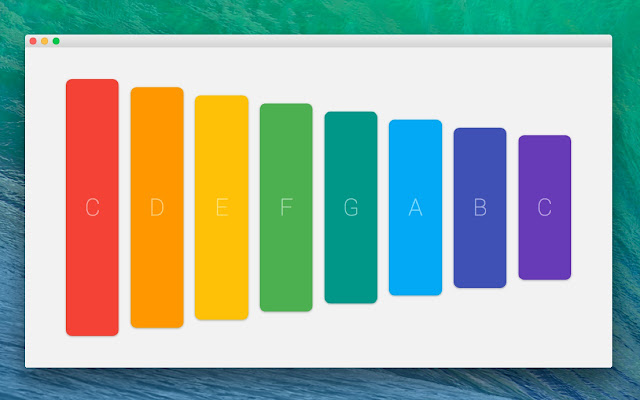
You can choose to speak the created rhyme or sing, or sing and perform with Orff instruments.  If choosing virtual, students will be able to play the melody but not the score as written with most virtual instruments as they would need a 2-octave set but you can modify as needed.  The Chrome add on Xylophone is excellent! Many thanks to my friend, Jody, for introducing it to me! You can search on google for xylo playsprout and you can also use the internet-based version.


Names and Movement

Many thanks to Casey Goryeb for this BEAUTIFUL idea: 

  • Research meanings of students names.
  • Develop movement to represent meaning while saying the name. Names could be for all family members, pets, relatives, etc. If no meaning to be found, students choose a meaning to represent their name.
  • Eventually pass the name movement silently from one student to another in the room. 


Extensions:

  • Create a chart of one, two, three sound names with everyone in class. Put names together into a 4-beat phrase, use body percussion to play, transfer to instruments.  
  • Name games like Ickety Tickety and Jump In, Jump Out. There are MANY here on this previous post! 
  • Use Chrome Music Lab Song Maker and have students create a song to go with their name. Customize instruments, percussion, number of beats in measure, notes (settings to create pentatonic scales), etc. 


  • Chrome Music Lab Kandinsky - use this one to have students draw their names and turn it into music!  Such fun! 


Here are some free printables to go with the book:

Happy Days in First Grade

Stories by Storie

Worksheet by Jody Petter


Happy back to school!