
Showing posts with label rhythm activities. Show all posts
Showing posts with label rhythm activities. Show all posts
Friday, February 13, 2026

Thursday, October 16, 2025
Candy Building Bricks
Rhythmic Building Bricks or Blocks are often used as compositional tools in elementary music classrooms.
Developed by Carl Orff's fellow teacher, Gunild Keetman, these simple 2-beat patterns use quarter notes, quarter rests, and paired eighth notes (and sometimes a half note). These are elemental rhythms most commonly found in children's rhymes, fingerplays, and simple songs and can be combined to create more complex rhythmic patterns.
Rhythmic building bricks break down composition into small, manageable units, enabling students to create their own pieces from simple patterns. This approach reduces the intimidation of composing and encourages creativity through structure. By experimenting with different combinations of rhythmic bricks, students explore concepts like repetition and arrangement, fostering creative ownership of their musical output. The use of repeated patterns helps students internalize how repetition contributes to musicality and familiarity. Additionally, rhythmic bricks allow for differentiation, as teachers can adapt pattern length, rhythmic complexity, and instrumentation to meet diverse learning needs.

Specific Learning Goals
- Rhythm: Building bricks should follow natural speech (the way a word is spoken).
- Repetition: Musical themes often repeat.
- Form Exploration: Try various elemental forms of aabb, abab, abba, aaab, and abac.
I Get It, Now What?
Rhythmic Building Bricks/Blocks are often thematic and should always use natural speech (which is why names don't work well as there are too many accents and pickups that don't fit the elemental quarter notes and eighth notes).
Small groups of students are given 4 building bricks (this will create an 8-beat rhythm). The rhythms should be ones already learned. They practice arranging them, speaking them, adding body percussion and perhaps transferring these to non-pitched percussion. They may be used as a contrasting section to a short speech piece or song.
These candy building bricks/blocks are perfect for fall and winter holidays and include some variations including sixteenth notes! Please note this will force a copy.


Thursday, February 27, 2025
Rap a Tap Tap Book and Improvisation Activity
This was a lesson posted in my Patreon community two years ago. My students love this book and has a lovely connection to the famous tap dancer, Savion Glover!
Click here for the slides and please note, this will force a copy.


Enjoy!


Thursday, December 5, 2024
March from the Nutcracker Stretchy Band Activity
Yes, I love the Nutcracker! There is so much fun to play with that is also a ballet and.. CLASSICAL music that children have most likely heard before!
Here is a fun stretchy band activity for you and your students to enjoy!
Please note this will force a copy- click HERE!


Enjoy!
Tuesday, March 19, 2024
Five Eggs
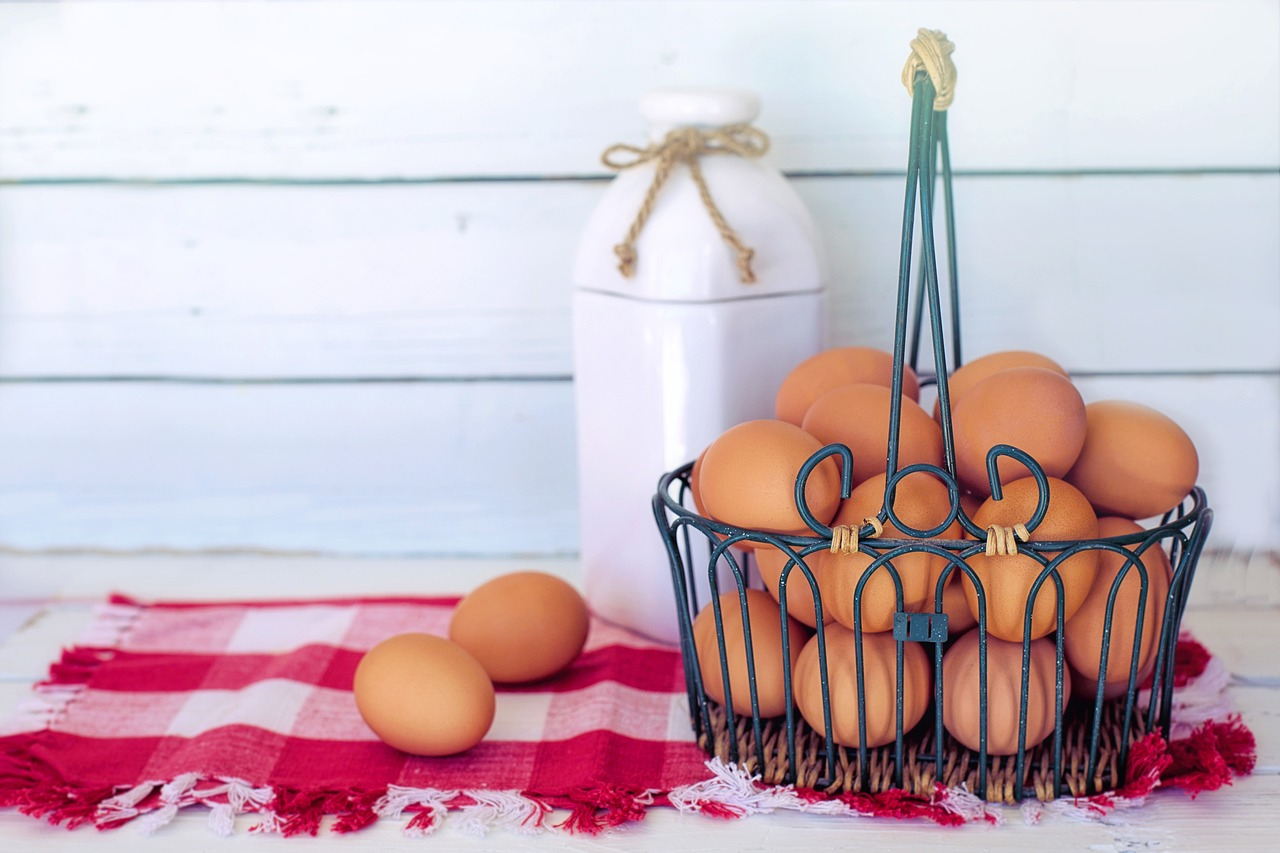
Spring is one of my favorite times of year - each morning on my walk I hear birds singing and see rabbits hopping on fresh sprigs of green grass. And the flowers! Well, if you know me at all, you know how much I love flowers and especially irises. I have so many flowers planted around my house and particularly love the 20-something varieties of iris I currently have!
This is a perfect rhyme and fingerplay for spring.
Fingerplays are so underrated! Teach them to younger students as a fingerplay but bring them back to teach or reinforce rhythmic elements in first grade and as a canon experience for second grade, or add a So Mi or So La Mi melody, eventually adding in an ostinato or two. Transfer the rhyme and ostinati to non-pitched percussion, add timbre changes for each line and allow the students to decide how to perform it. For older students, use these as a basis for melodic improvisation or to walk the beat while clapping the rhythm or add a B Section with the names of egg layers - birds, fish, insects, turtles, platypus, echidna, reptiles, and lizards. Or have small groups of students create a movement story of one type of animal and perform for other groups to guess the animal. So many possibilities!
For a better image, click here.

Enjoy!
Wednesday, February 7, 2024
See the Dragon Come
See the Dragon Come has long been a favorite song and I finally got around to making two different sets of simple 2-beat building bricks for young students- one cartoon version, one traditional Chinese papercut version.
Click here for the link and note this will force a copy.


Enjoy!

Wednesday, January 10, 2024
Pop It Music Game
On Wednesdays we have a special schedule and with my first and second graders I have been doing a lot of centers and rotations. As explained by a classroom teacher, a Center is an activity or station where students choose to go and choose how long they spend at that place. A Rotation is where all students experience the same things for the same amount of time and rotate through the various activities.
Once introduced, these games and activities are perfect to leave for a sub!
If you are on a mobile device, scroll all the way to the bottom and click, "View Web Version" and on the right you will see all the posts that are tagged with "Centers" and "Rotations".
One of my new favorites is this pop it game with dice.
Someone posted this on instagram last year and it has become a new favorite. Use foam dice from Dollar Tree and write your rhythms on all sides. For me, this is a Leveled Game with Level One using quarter notes, eighth notes, and quarter rest. Level Two adds half note and Level Three adds sixteenth notes and eighth, sixteenth note combinations.
On the game itself, sit in front of the TV one night and use a Sharpie to draw quarter notes, eighth notes, and quarter rests on each "pop". I keep the dice, games, and directions in a 2-gallon ziploc bag with my other rotations and centers.

Here are the direction cards:


Sunday, September 3, 2023
Favorite Fingerplays
I love fingerplays, do you? There are so many different ones and the text is typically rhythmic and short, perfect for working on steady beat, rhythmic division, and expressive elements like dynamics and the four voices. They are also perfect to use with older students to develop ostinato (short, repeating patterns that create harmonic texture) and for improvisation.
For the full slide set, click here.
Here are some of the slides in the set:


 Hope you enjoy!


Wednesday, April 26, 2023
Go Fish Rhythm Card Game


Subscribe to:
Posts (Atom)