Showing posts with label form. Show all posts

Wednesday, April 13, 2022

Spring is Here

 I love spring!  All the flowers, the new leaves budding, and green; so much green!!! 

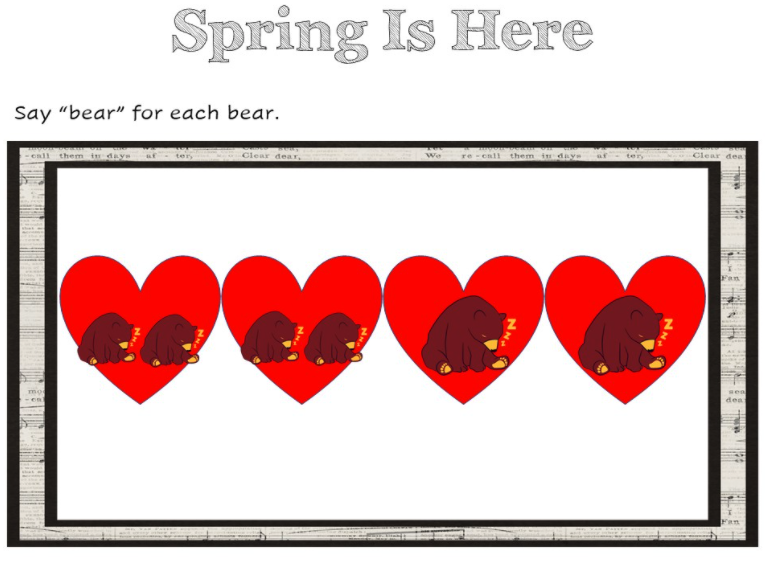
I have been playing with some older lessons I created years ago and have had so much fun using Spring is Here by Will Hillenbrand with my students. This is a Bear and Mole story and is so cute - kids love the ending! 

It is a nice introduction into half note, too!  Check out the lesson below. Click on this link which will take you to the full Google slide complete with a 6-minute video lesson that will talk you through how to teach the lesson as well as give you the 2-beat building bricks.  Like everything else you see and want more lessons like this?  Come and join our Patreon community for exclusive content, monthly mini workshops and mentorship opportunities. All for about the cost of a cup of coffee per month! 


Enjoy!


Sunday, March 6, 2022

Manipulatives - The Why and The What


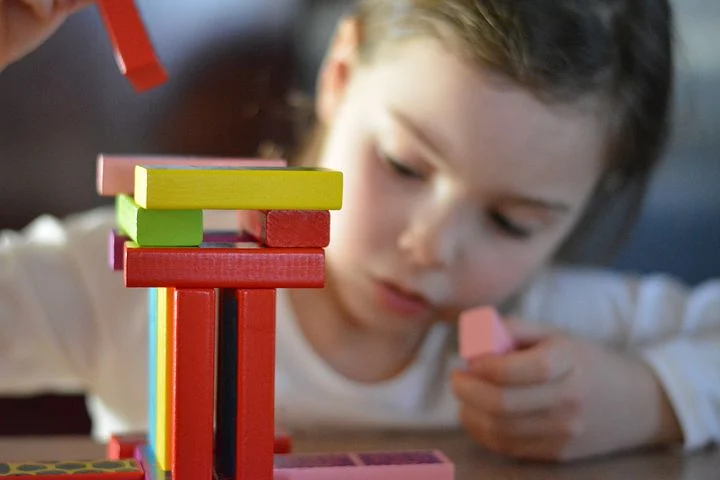
Manipulatives are objects students or teachers use within a lesson to teach or reinforce a concept. 

Manipulatives are engaging and playful.  They make abstract musical concepts visual and concrete. 

Digital manipulatives made to be dragged/dropped, etc. do not engage the brain in the same way and do not impact fine motor skills.  Digital manipulatives are also not typically used in small groups and do encourage social interaction among peers.  There is a time and place for tech.  Using hands-on manipulatives, students develop and practice communication skills with small group composition or partner play.  Kinesthetic learners need the tactile experiences hands-on manipulatives provide. The best reason to use them is simple - they are inexpensive, and FUN!  

Learning Sequence


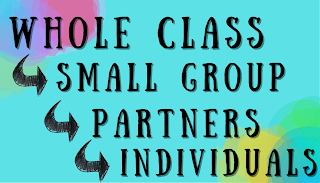
 This gives students  a variety of experiences and provides structure and familiarity while working in small groups, then partners, before individuals use manipulatives alone.

Pulse/Rhythm

When using manipulatives with rhythm I begin with imitation - students recreate the rhythms displayed. For example, students will recreate a displayed rhythm with popsicle sticks.  Then we explore rhythms using building bricks, later we would write rhythms with dry erase boards and eventually we would use pencil and paper after many experiences with imitating, exploring, and creating with manipulatives. 
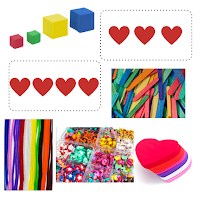
Beat strips - four hearts on one side, three on the other.  This way you can work in triple and duple meters!

Popsicle sticks for rhythm dictation and composition - I prefer just the large colored ones from Dollar Tree. Some people prefer small and large ones, but I really like to KISS - Keep It Simple Sweetie! 

Foam hearts - perfect to find at Dollar Tree or your favorite craft store!  Write various rhythms on each one. 

Pipe cleaners to create notes and Noteman (thanks to Shari and Ashley for this idea).

Two- beat building bricks.  I have so many sets of these for various activities and content areas available in my Patreon community.  Print, cut, and give to students! 

Rhythm Dice; these can be created from purchased wooden dice or foam - Dollar Tree has carried these in the past. Draw notes on each side with sharpie.  Make sets of these with quarter, eighth, and quarter rest, another set which includes two single eighth notes, and another set which includes sixteenth notes.  Each side of the die is a single pulse/beat.

Group together and put into a plastic baggie - get the good heavy freezer bags and punch a hole in the top so when students put them back in and close them the air escapes and they lay flat.  Four inch (or so) piece of string in the bag to show tied notes. 

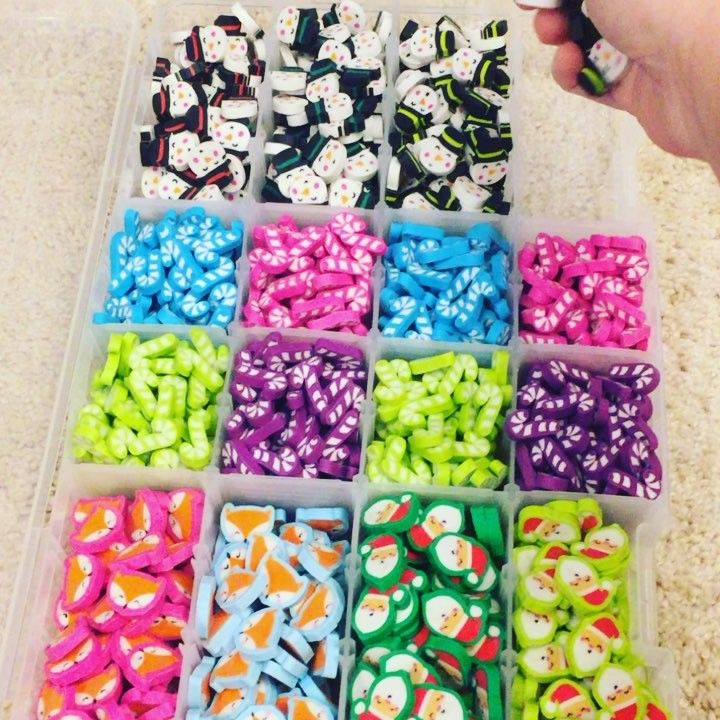
Mini erasers - These are great to use for notating the number of sounds on beat strips. Also, they are just SO cute! 


Melody

Staff boards                                                                                                                                                   

These are commercially available from your favorite music retailer but can be pricey.
I particularly like these staff boards made out of dollar store cookie sheets and electrical tape (also from dollar store).  Original idea from Elizabeth at Organized Chaos. On the back you could make a 2-line or 3-line staff or 4-beat rhythm blocks (the bottom shown here is 8-beats). 
You don't have to use the purchased magnets (they can be pricey); you could use foam (available in craft packs from Dollar Tree) and cut out circles to glue googly eyes on and then glue small round magnets (dollar stores and craft stores carry these).


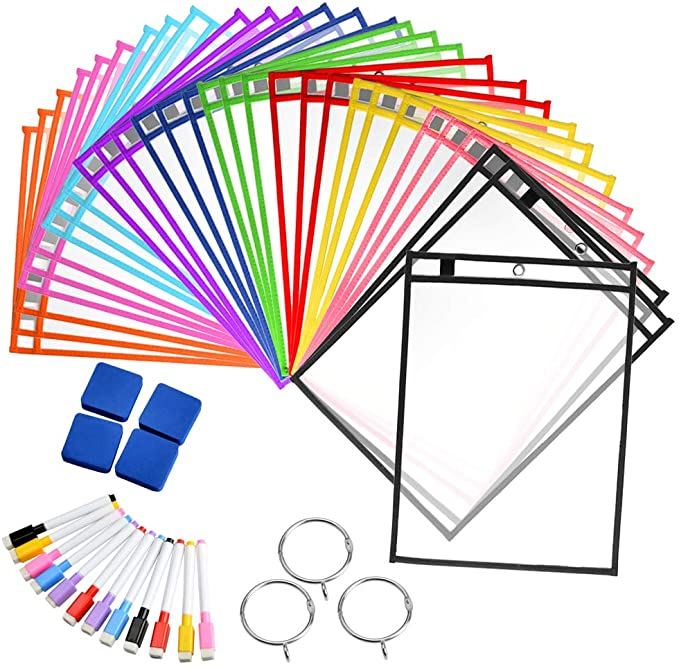
Draw a 2-line, 3-line, or full staff on a white piece of paper, draw four boxes on the back for a 4-beat rhythm area and place the page inside these page protectors (click on photo to go to Amazon link).  Use dry erase marker or your favorite mini-erasers, transparent bingo chips, or other manipulatives.


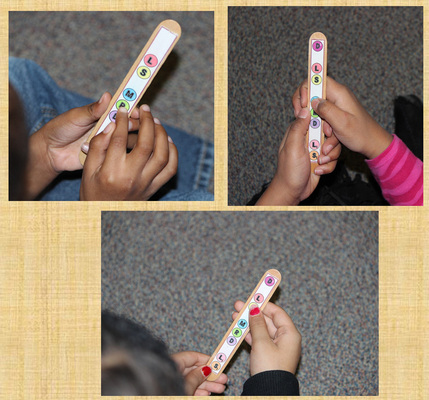
Popsicle Stick Texting Sticks

I love these as they make solfege ladders become more personal and interactive. Click on the picture to see Ms. Manguso's tutorial and free downloadable images.  Use a glue stick or Modge Podge to stick the printed letters on. 


Felt staff with notes. Sew a zigzag stitch or use fabric paint to create lines on rectangles of felt, cut black circles from black felt for the notes or use Bingo chips. 

Skittles and M & M's 

S printed on Skittles and M printed on M and M's - give a variety of each to students to dictate a 4-beat solfege phrase for So and Mi, notate a SM song, or have students create their own!

Mini Erasers

Great for kinesthetic learners (and everyone) and fun for students to manipulate. Target has these in the Dollar Spot often and are seasonally themed. 


Pipe Cleaners/Chenille Stems

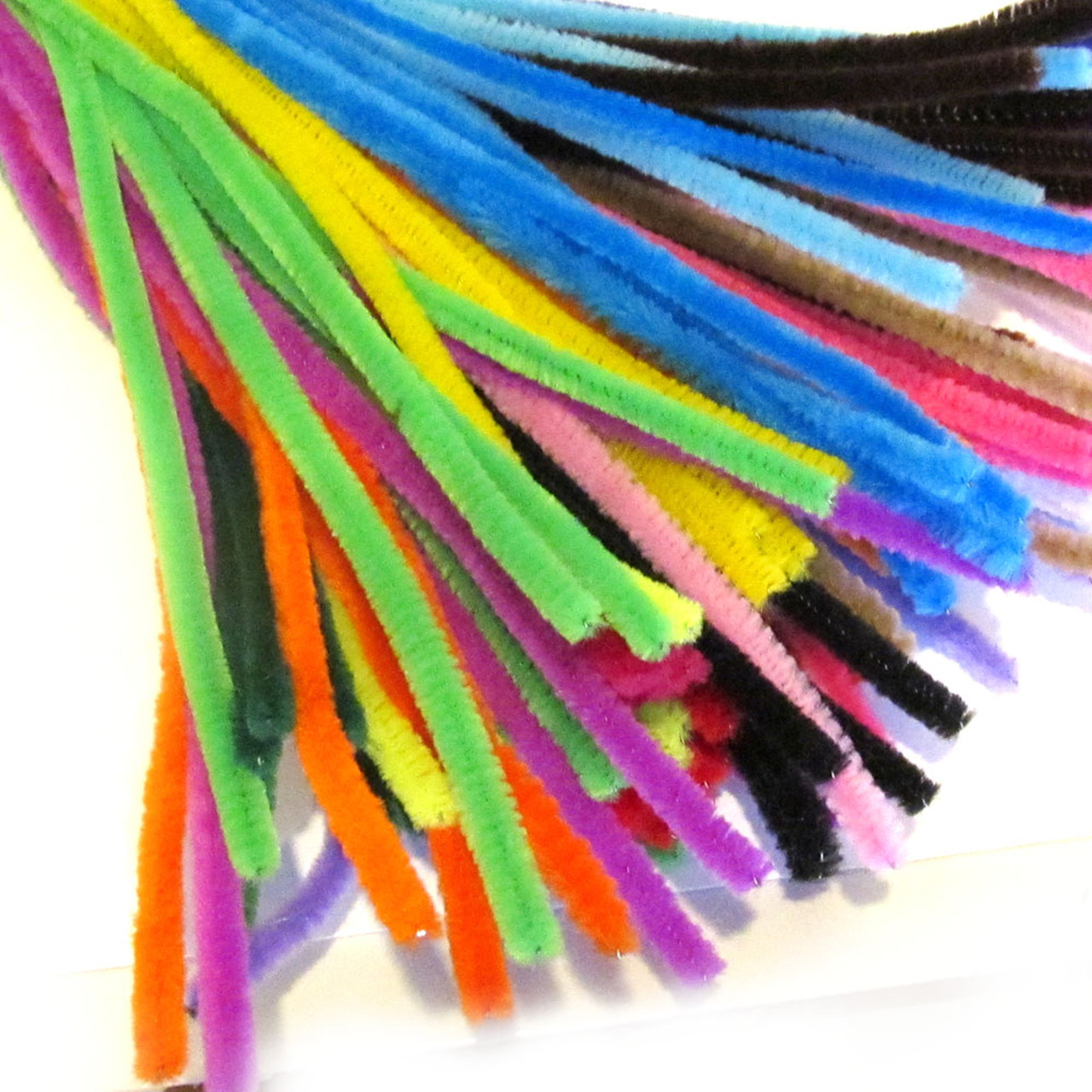
Children love the fuzzy texture and bright colors and most of them have not used them before! They are the most flexible (pun intended), highly underrated, and undervalued.  They are also wonderful for fine motor control!  You can roll and bend them into notation shapes, use horizontally to demonstrate so and mi/high and low, and bend them to show vocal exploration or movement pathways!  SO much fun in something so very small.  


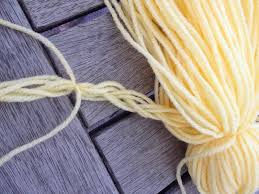
Yarn for students to create vocal exploration (and movement) pathways

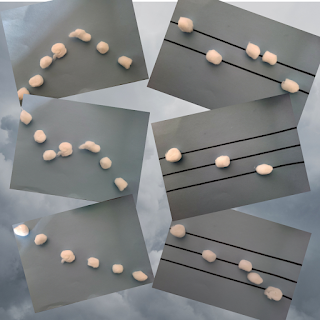
Cotton Balls for vocal exploration and melodies on a sky blue paper background.


Form

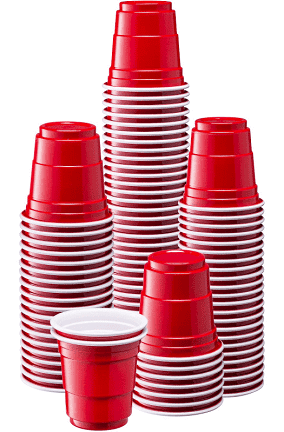
Cups - I like the Mini "Solo" Cups Dollar Tree has - they always have the red ones and at Christmas time they also carry green. You could also use any other cups in two or three colors to create elemental forms of ABAB, ABBA, AABB, etc. 


Construction paper or foam shapes cut into 4" squares, circles, triangles - one color per shape and one letter per shape - A, B, and C


I hope these give you some ideas. There are so many other favorite manipulatives - what are some of yours?

Enjoy,


Friday, April 23, 2021

Leroy Anderson's The Typewriter

 One of my most favorite pieces of symphonic music is The Typewriter by Leroy Anderson. I love much of what he wrote!  

Click here to get the Typewriter Listening Glyph on google slide.  This will force you to make a copy. 

We will be using plastic bottle caps on a hard surface and sliding the caps on the yellow arrows. The bell will be played by me or a chosen student on my desk bell. The black "splat" is really a placeholder and does not signify something to be played. 


I love this recording- there are many! 


Enjoy! 


Saturday, March 13, 2021

Theme and Variations with 2 VERY FUN Websites!!

 I love teaching Theme and Variations!  My friend Kate introduced me to two very amazing sites - no login, no ads, and I knew I needed to figure out a way to use them beyond the "echo my rhythm" idea. So, Theme and Variations Reboot was invented! 

Get the complete Google Slide here - it will prompt you to make a copy. Theme and Variations


www.patatap.com


www.typatone.com


'


Enjoy!


Saturday, January 30, 2021

Dim Sum For Everyone

 My daughter and I went to New York City for our first girls week during the summer of 2019. It was an amazing week and while we did not plan to arrive on the day of the largest PRIDE parade in Manhattan, it was a fabulous week!  My daughter is Chinese, and loves everything about her birth culture. We stayed in Midtown Manhattan but she wanted to spend every waking moment in Chinatown. One of my sweet music teacher blogger friends, Elizabeth from Organized Chaos lives in Connecticut and so we met up for lunch one day at the Golden Unicorn in Chinatown (HIGHLY recommend!).


Elizabeth grew up in Japan and has only lived in the US for a few years so we decided to meet up for Dim Sum, which Caiya had never experienced. Elizabeth and I were the only white faces in the restaurant, and very little English was spoken. I LOVE experiences where I am out of my element. It forces growth and a window into another culture in a unique and interesting way. The food comes around in little bamboo steamers or plates which are rolled on carts. You point to the ones you want and they write on a card the quantity and item chosen. Then the next cart comes and point and choose again. The process continues and you end up with lots of little steamers and plates on your table. My favorite were the cute piggy dumplings (shaped like pigs) and filled with a sweet potato filling. I also love Shu Mai and Sticky Rice which has dried shrimp and veggies along with the rice and are wrapped in leaves. YUM!  

Many thanks to my friend Marcia B for her inspiration! 

Hope you enjoy Dim Sum For Everyone and if you get a chance to enjoy Dim Sum, eat up! 

For the full google slide, click on the link and make a copy Dim Sum For Everyone


Thursday, September 26, 2019

Theme and Variations

Form is one of my favorite things to teach.  This year I decided to teach Theme and Variations a little differently and ran across my friend Elizabeth's blog post and knew she was on to something.  I loved what she had done but needed to tweak it a bit for my Orff -sensibilities and decided to add a movement component using non-locomotor and locomotor movements already learned.
I began by playing the main theme from UP and had students sing it on "la".  Then we watched this video in which the theme is clearly heard and changes based on the scene shown. 
I ask the students to turn and talk about the words, "mood" (which we have learned about previously), and how the mood changes affect the music. 

As a class we discuss instruments, tempo, dynamics, and introduce Theme and Variations. We sang  a song already learned and created four variations.  We had already done some other things and this was the final activity on day one.

The next class I had this video ready.  It is so perfect for older elementary. There will be one or two they probably don't know but have heard the music to before.  I ask my students to wait until the countdown shows "3" before guessing the title (which they get so excited about shouting out!).  It was hilarious! This is 10 minutes long, show as much or as little as you would like.
Small groups were created and each chose a theme to use - anything was up for grabs and Spongebob Squarepants, Row, Row, Row Your Boat, and several others showed up but many groups chose  theme songs from the Movie Theme video. Everyone in the group had to agree on the theme song. 

Groups were then tasked with creating four variations on their theme song and everyone had to sing. 

Over the years I have collected many "Sing Like A ...." cards similar to the ones here (free pdf).  I gave students the option of using these and demonstrated (and reiterated) the need for the SOUND to be different each time.  We also talked about changing dynamics, tempo, etc. 

Groups decided on variations and wrote them on individual white boards, then practiced these.  We also added a movement component where the movement should reflect the mood of the variation.  

Students decided order of performance and everyone watching responded with two thumbs up (they heard four different variations), or one thumb up (they heard some variations).  It was so much fun and they were incredibly engaged and everyone was singing! Music to my ears! 

Hope you give it a try and let me know how it went!

Thursday, April 11, 2019

Glow in the Dark Music Class (Party)

For the month of March, my students participated in a Rhythm Challenge. Each grade level first through fourth grade (my highest grade) competed against other classes in their grade level and were told there was a "surprise prize" at the end for the winning class. Students read and played rhythm cards appropriate to their level at the beginning of each class along to a rap track. Before reading each card, I would say in rhythm, "Ready go". If one or two mistakes were made on a card, I called it an oops and a forgiveness. If three or more mistakes were heard, I called time and that was the high score for the day. If anyone "fussed" at another student for making a mistake (long chat about how everyone makes mistakes) the class would lose 30 seconds from their score.  Thankfully no one lost time off their score. Top score was 2 minutes, 30 seconds. I kept track on the board each week and after 4 weeks or 4 scores (whichever came first) we had winners.  Then, the best part- the Surprise Prize - everyone was having a Glow in the Dark Music Party during their next music class! The winners would have the Party for the whole class and the others for half their class (half the class was regular music but would have games and other fun activities we don't do very often). It was a HUGE hit!  I posted a video yesterday on my facebook page - @o for tuna orff, and show the setup and talk about activities.
This would be a PERFECT end of the year music party!
Then I realized I needed to make it a blog post! It truly has been one of the highlights of my year and while it takes some prep, is SO worth it!! I even did the Clap Clap song by the Klaxons with my youngest student so they could experience some of the fun. Of course, everyone loved getting to take a glow stick home with them! If you would like a pdf of this, please send me an email at musicquilt@hotmail.com.
Happy Glowing!


Friday, September 22, 2017

Giraffe's Can't Dance - Or Can They?


I love the facebook AOSA page! I also belong to the Kodaly Teachers, and Elementary Music Teachers and several other music teacher groups.  Such a wealth of information and people sharing lessons and ideas!  Just this month I found a wonderful idea using the book,"Giraffes Can't Dance"  by Melissa Burroughs and she so very kindly gave me permission to share it with you. 
Hope you enjoy it as much as my students did!
Giraffes Can't Dance by Giles Andreae available here from Amazon.


Day 1


Explore movements on index cards (whole class first), divide into 5 groups for our "Jungle Party"--each group has 4 cards to create a unique jungle dance for their animals. 
Melissa purchased these cards at Dollar Tree recently.


All groups practices together, then time for the party! 


Each group performs by themselves (consider using "Bossa Nova" from 'Rhythmically Moving 7).

With 5 groups and 8 beats between each group (play on drum or tambourine as signal to change groups), this works perfectly.


Students share what they liked about each groups special dances.


Day 2


Explore animal names with one and two sounds (first grade) and animal names that fit into rhythmic building blocks (second).

Compose 4 beat patterns (first) and 8 beat phrases (second).


Teach song add bordun.

Perform in rondo form.

Extension:

Create story where they tell about one of their animal's adventure; where did it go?  What did it do when it got there? 
Consider use of arioso - sing the story.